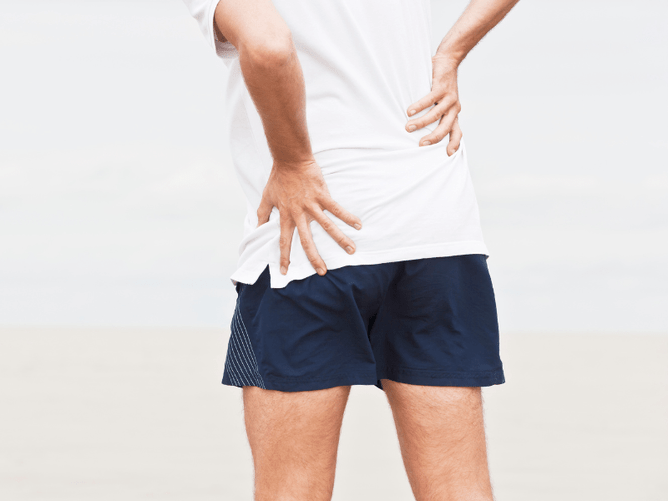
Hip and back pain are often viewed as issues unrelated to the feet. However, the body functions as a connected kinetic chain, meaning that movement patterns in one area can significantly influence another. The feet are the foundation of this chain the point where the body interacts with the ground. Any inefficiency, imbalance, or abnormal foot posture can transmit stress upward through the ankle, knee, hip, and spine.
Flat feet, excessive pronation, high arches, or asymmetrical gait patterns can all disrupt the alignment of the lower limb. Over time, these mechanical faults may contribute to hip pain, lower back discomfort, reduced mobility, and increased injury risk.
At Foot Foundation, we specialise in identifying foot-related drivers of hip and back pain. Through detailed assessment and targeted treatment including orthotics, footwear optimisation, rehabilitation, and gait retraining, we address the source of dysfunction, providing long-term relief and preventing recurrence.
Why Foot Mechanics Matter for Hip and Back Health
The feet influence how forces move through the entire lower limb. When foot posture is not optimal, compensation occurs higher up the chain, often placing excessive strain on the hips and spine.
Excessive Pronation or Flat Feet
When the arch collapses, the leg rotates inward, shifting the pelvis and increasing stress on the hip and lower back. This can contribute to:
Tightness around the hip
Gluteal muscle under-activation
Lower back strain due to altered spinal alignment
High Arches and Reduced Shock Absorption
Feet with high arches tend to be rigid, absorbing minimal impact. This can transmit excessive ground-reaction forces upward, placing additional load on:
The hip joint
The sacroiliac region
The lower lumbar spine
Leg Length Differences or Gait Asymmetry
Even small differences in leg length or subtle gait changes can produce pelvic tilt, uneven loading, and recurring hip or lower back pain. Without correction, the imbalance may worsen over time.
Understanding these mechanics is essential to designing effective treatment that addresses both symptoms and their underlying cause.
Common Hip and Back Conditions We Treat
1. Hip Bursitis (Trochanteric Bursitis)
Hip bursitis involves inflammation of the bursa on the outer side of the hip. While often linked to overuse, poor biomechanics particularly excessive hip drop or internal rotation caused by flat feet, are significant contributing factors.
Symptoms include:
Pain when lying on the affected side
Discomfort during walking, running, or climbing stairs
Tenderness over the outer hip
2. Hip Impingement & Labral Pathology
Abnormal hip joint mechanics can cause impingement, where the bone structures pinch against each other, or lead to irritation of the hip labrum. Poor foot posture, leg rotation, and pelvic alignment can magnify the load through the hip.
Patients may experience:
Groin or hip crease pain
Clicking or catching sensations
Pain with deep hip flexion or twisting
3. Sciatica & Nerve-Related Pain
Sciatica occurs when the sciatic nerve becomes irritated or compressed, often due to lumbar spine or pelvic issues. Poor foot posture can worsen nerve tension and contribute to altered movement patterns that increase symptoms.
Common complaints include:
Pain radiating down the leg
Tingling, numbness, or burning
Discomfort aggravated by prolonged standing or walking
4. Sacroiliac Joint Dysfunction & Lower Back Pain
The sacroiliac (SI) joint plays a key role in connecting the spine to the pelvis. When foot mechanics are inefficient — such as with leg length discrepancies or excessive pronation — this joint can become irritated.
People often report:
Pain across the lower back or buttock
Difficulty with bending, twisting, or prolonged standing
A feeling of instability around the pelvis
Correcting foot mechanics is a crucial component of managing SI-related pain.
When to Seek Assessment
Assessment is recommended if you experience:
Persistent hip or back pain without a clear cause
Pain aggravated by walking or standing
Uneven wear on shoes
Frequent hip tightness or gluteal weakness
Symptoms that worsen with running or training
Pain radiating down the leg
Identifying the mechanical contributors ensures treatment is accurate and long-lasting.
How Foot Foundation Assesses Hip and Back Pain
At Foot Foundation, we take a whole-body approach, recognising the foot as the foundation of the kinetic chain.
Comprehensive Gait & Biomechanical Assessment
We evaluate foot posture, leg alignment, pelvic movement, and spinal mechanics during walking and running.
Custom Orthotics
Orthotics are used to optimise foot function, improve alignment through the leg, and reduce compensatory stress on the hip and back.
Footwear Advice
Shoes are assessed to ensure they provide appropriate structure, cushioning, and stability.
Rehabilitation & Strengthening
Collaboration with physiotherapists ensures patients receive targeted:
Gluteal strengthening
Core stability exercises
Mobility and flexibility programmes
Gait retraining strategies
Shockwave Therapy
Shockwave is offered for selected cases of tendon irritation or hip bursitis.
Education & Prevention
Patients are guided on load management, posture, training technique, and long-term strategies to prevent recurrence.
Treatment is available at all Foot Foundation clinics: Pinehill, Takapuna, Remuera, Botany, Hamilton, and Tauranga.