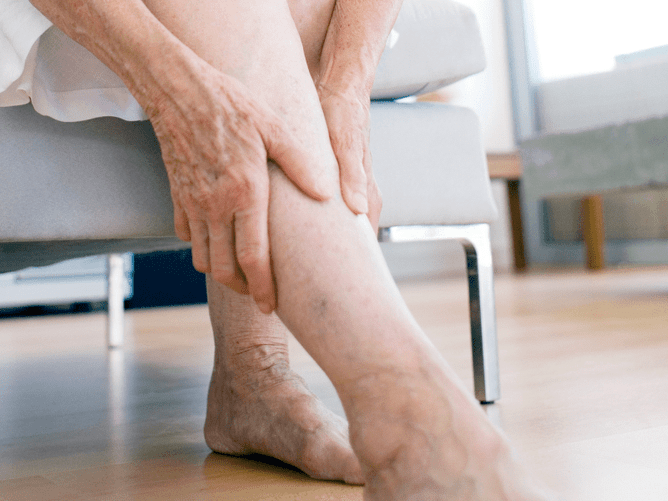
The legs play a crucial role in supporting body weight, maintaining balance, and enabling movement. They allow us to walk, run, jump, climb, and move through everyday life. Because the legs absorb force repeatedly, they are particularly vulnerable to both acute injuries and overuse conditions.
From shin splints in runners to stress fractures in high-demand athletes, leg pain can quickly limit mobility and reduce performance if not managed correctly.
At Foot Foundation, our podiatrists and physiotherapists provide comprehensive diagnosis and treatment for a wide range of leg conditions. Through biomechanical assessment, orthotic intervention, rehabilitation, and collaborative care, we help patients recover safely and prevent injury recurrence.
Why Leg Pain Develops
Leg pain can arise from muscles, tendons, bones, nerves, or blood vessels. In active individuals, pain is often related to load or technique; in others, it may be linked to circulation, systemic conditions, or gait mechanics.
Common contributors include:
Sudden increases in running or training volume
Poor foot mechanics such as flat feet or high arches
Inadequate footwear or worn-out shoes
Reduced calf flexibility or muscle fatigue
Hard or uneven training surfaces
Circulation issues affecting blood flow
Nerve irritation or compression
Identifying the root cause ensures treatment is effective and targeted.
Common Leg Conditions Treated at Foot Foundation
1. Shin Splints (Medial Tibial Stress Syndrome)
Shin splints involve irritation and overload of the tissues surrounding the shin bone. They are especially common in runners, football players, and military trainees.
Symptoms may include:
Pain along the inner edge of the shin
Discomfort that worsens with running or jumping
Tenderness when pressing the shin area
Tightness in the calf muscles
Early management prevents progression to stress fractures.
2. Compartment Syndrome
Compartment syndrome occurs when pressure builds up within the muscle compartments of the lower leg. This can restrict blood flow and irritate nerves.
Patients often experience:
Tightness or cramping during exercise
Pain that eases with rest but returns quickly
Numbness, tingling, or weakness
A feeling of fullness or pressure in the leg
This condition requires careful assessment due to potential severity.
3. Stress Fractures
Stress fractures are small cracks in the bone caused by repetitive loading exceeding the bone’s capacity for repair. They often occur in athletes who rapidly increase training volume or intensity.
Signs include:
Sharp, localised pain in the shin or foot
Pain that worsens with activity
Swelling or tenderness to touch
Discomfort even at rest in more advanced cases
A stress fracture requires prompt diagnosis and a period of offloading to heal effectively.
4. Calf Muscle Strain or Tear
Calf strains occur when the gastrocnemius or soleus muscle fibres overstretch or tear. This can happen suddenly during push-off or gradually through overuse.
Common symptoms:
Sudden sharp pain or a “pulling” sensation
Difficulty pushing off the foot when walking
Swelling or bruising in moderate to severe injuries
Tightness or weakness during activity
Rehabilitation focuses on restoring strength and flexibility gradually.
5. Vascular & Circulatory Issues
Circulation-related leg pain can arise from varicose veins, poor vascular supply, or deeper vascular problems.
Symptoms may include:
Aching or heaviness in the legs
Pain that worsens with prolonged standing
Swelling, discolouration, or visible veins
Cramping at night
These conditions require careful assessment and occasionally referral to vascular specialists.
6. Nerve Entrapment Syndromes
Nerve compression in the lower limb, such as peroneal nerve irritation or sciatic-related pain, can lead to altered sensation and motor control.
Symptoms may present as:
Shooting or burning leg pain
Tingling or numbness in the foot or leg
Weakness or unsteady movement
Pain that worsens with certain positions or activities
Identifying the source of compression guides treatment planning.
When to Seek Assessment
Book a professional evaluation if you experience:
Persistent leg pain longer than one to two weeks
Pain during sport that keeps returning
Swelling, bruising, or sharp discomfort during activity
Tingling, burning, or numbness in the legs
Pain at rest or during sleep
Difficulty walking or reduced performance
Early assessment helps prevent complications and speeds recovery.
How Foot Foundation Assesses Leg Pain
Our team takes a thorough, whole-limb approach to diagnosis.
Comprehensive Assessment
History, physical examination, palpation, strength assessment, and functional testing.
Gait & Biomechanical Analysis
We evaluate walking and running mechanics to identify overload patterns.
Imaging Referral
X-ray, ultrasound, or MRI may be recommended to confirm diagnosis or rule out serious pathology.
Evidence-Based Treatment at Foot Foundation
Management depends on the condition and may include:
Rest & Load Modification
Reducing aggravating activity to allow tissue recovery.
Footwear Advice
Ensuring appropriate cushioning, support, and stability.
Custom Orthotics
Orthotics correct foot alignment, improve force distribution, and reduce strain through the lower limb.
Manual Therapy & Soft Tissue Work
Techniques to relieve tension and promote recovery.
Exercise Rehabilitation
Strengthening the calves, lower limb musculature, and improving biomechanics.
Shockwave Therapy
Effective for chronic tendon injuries and persistent soft tissue pain.
Referral Pathways
Onward referral to sports physicians, orthopaedics, or vascular specialists when necessary.
Long-Term Prevention
Education on training load, movement technique, pacing, and biomechanical correction reduces recurrence.
Treatment is available at all Foot Foundation clinics: Pinehill, Takapuna, Remuera, Botany, Hamilton, and Tauranga.