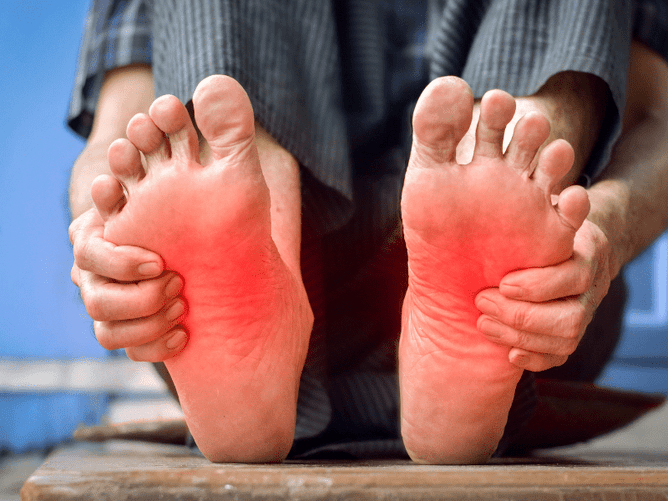
Foot pain is one of the most widespread musculoskeletal complaints and can affect people at any stage of life. The foot is an intricate and highly functional structure containing 26 bones, 33 joints, and more than 100 muscles, ligaments, and tendons. Because of this complexity, pain can arise from a wide range of tissues — from nerves and tendons to joints, soft tissue, or even the skin.
Many people try to manage foot pain on their own, often assuming it will simply “go away,” but untreated foot issues can lead to long-term biomechanical problems, reduced mobility, and an increased risk of additional injuries.
At Foot Foundation, our podiatrists and physiotherapists specialise in understanding the underlying cause of foot pain.
We look beyond symptoms alone and consider biomechanics, lifestyle factors, systemic medical conditions (such as diabetes or arthritis), occupational demands, and footwear choices to deliver precise and effective treatment.
Why General Foot Pain Occurs
The feet are exposed to constant load throughout the day. Standing, walking, running, and even small shifts in posture place strain on the structures within the foot. When biomechanics are inefficient or when tissues become overloaded, pain can develop gradually or suddenly.
Contributing factors include:
Flat feet or high arches
Poorly fitting or unsupportive footwear
High-impact exercise or sudden increases in activity
Age-related degenerative conditions
Muscle weakness or tendon dysfunction
Nerve compression or irritation
Systemic disease affecting circulation or sensation
By identifying the true origin of pain, treatment can be targeted and effective.
Common Causes of General Foot Pain
1. Diabetic Foot Complications
Diabetes can lead to reduced sensation (neuropathy), impaired circulation, and increased risk of skin breakdown or ulceration.
Symptoms may include:
Burning, tingling, or numbness
Loss of protective sensation
Slow-healing wounds
Changes in foot shape or pressure areas
Early intervention is vital to prevent complications.
2. Arthritis in the Foot
Arthritis can affect any of the joints in the foot, leading to stiffness, swelling, reduced movement, and chronic discomfort.
Types may include:
Osteoarthritis (degenerative wear and tear)
Rheumatoid or inflammatory arthritis
Post-traumatic arthritis after injury
Arthritis often alters gait patterns, contributing to secondary pain in the feet, ankles, or knees.
3. Nerve Entrapment (Tarsal Tunnel Syndrome)
Tarsal tunnel syndrome occurs when the tibial nerve becomes compressed as it passes through the inside of the ankle.
Typical features include:
Burning or tingling in the foot
Numbness in the arch or toes
Electric shock-like sensations
Pain that worsens with standing or walking
Nerve entrapment requires precise diagnosis to ensure correct management.
4. Forefoot Disorders
The forefoot is particularly susceptible to overloading. Common conditions include:
Bunions (Hallux Valgus)
Morton’s Neuroma
Metatarsalgia
Sesamoiditis
Hallux Limitus / Rigidus
These conditions can cause pain during push-off, difficulty in footwear, and altered walking mechanics.
5. Tendon Dysfunction
Tendons play a major role in supporting the foot and maintaining stability.
Common issues include:
Posterior tibial tendon dysfunction (PTTD) — causing arch collapse and ankle pain
Peroneal tendinopathy — pain on the outside of the ankle and foot
Tendon dysfunction often develops gradually and requires targeted strengthening and biomechanical support.
6. Stress Injuries
Bone stress reactions or stress fractures occur when load exceeds the bone’s ability to recover.
Symptoms may include:
Localised pain that worsens with activity
Swelling or tenderness over the bone
Pain that improves with rest but quickly returns
These injuries are common in runners, active workers, and people with poor footwear or biomechanics.
7. Overuse or Footwear-Related Pain
Long periods on hard surfaces, poor cushioning, or narrow shoes can strain the soft tissues and joints of the foot.
Examples include:
Heel pain from inadequate support
Arch fatigue after standing all day
Ball-of-foot pain from high heels or tight shoes
Footwear-related pain is often simple to diagnose but requires long-term prevention strategies.
When to Seek Assessment
You should seek professional assessment if you experience:
Pain lasting more than one to two weeks
Swelling, redness, or warmth in the foot
Numbness, tingling, or changes in sensation
Difficulty weight-bearing or walking normally
Foot deformity or sudden changes to foot shape
Recurring pain that interferes with daily activity
Early diagnosis ensures better outcomes and prevents chronic issues.
How Foot Foundation Assesses General Foot Pain
Foot Foundation clinicians take a detailed, holistic approach to assessment.
Comprehensive Clinical Examination
This includes joint mobility tests, muscle strength assessment, and examination of foot posture.
Gait and Movement Analysis
Walking and running patterns are observed to identify biomechanical contributors to pain.
Footwear Assessment
The structure, support, and suitability of your footwear are reviewed.
Neurological and Vascular Testing
When required, clinicians assess nerve function, sensation, circulation, and skin integrity — especially important for diabetic patients.
Imaging Referral
X-ray, ultrasound, or MRI may be recommended for complex or persistent issues.
Evidence-Based Treatment for Foot Pain at Foot Foundation
Treatment varies depending on the diagnosis but may include:
Custom Orthotics
Designed to improve alignment, support the foot, redistribute pressure, and reduce strain.
Shockwave Therapy
Particularly effective for chronic soft tissue or tendon injuries such as plantar fasciitis or tendinopathy.
Manual Therapy
Mobilisation, soft tissue therapy, and joint techniques to improve movement and reduce pain.
Rehabilitation and Strengthening Programmes
Exercises are tailored to restore function, address weakness, and prevent recurrence.
Footwear Modification and Education
Guidance on shoe selection, cushioning, support, and long-term care.
Preventive Care for Systemic Conditions
Diabetes and arthritis require early intervention and long-term monitoring to prevent complications.
Multidisciplinary Collaboration
Foot Foundation works closely with GPs, PHOs, orthopaedic specialists, and other health providers to ensure continuity of care.
Treatment is available at all Foot Foundation clinics: Pinehill, Takapuna, Remuera, Botany, Hamilton, and Tauranga.