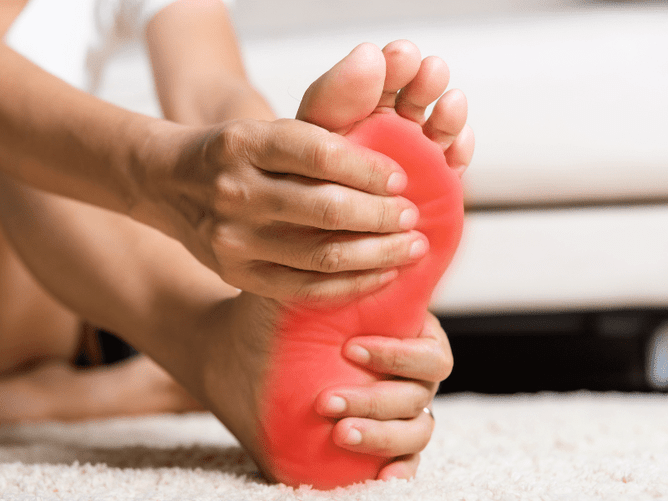
The arch of the foot is a sophisticated structure made up of bones, ligaments, tendons, and connective tissue working together to provide stability, shock absorption, and efficient movement. It acts like a spring, helping the body transition smoothly from heel strike to toe-off.
When the arch becomes too low, too high, or structurally unstable, the foot’s mechanics begin to change. Over time, this can lead to arch pain, altered walking patterns, and an increased risk of injuries throughout the lower limb — including the ankles, knees, and hips.
Arch pain may arise from conditions such as flat feet, high arches, plantar fasciitis, or the presence of an accessory navicular bone. At Foot Foundation, our podiatrists and physiotherapists use advanced assessment tools, clinical expertise, and evidence-based therapies to identify the root cause of arch pain and restore long-term function.
Why Arch Pain Develops
The arch of the foot is designed to support body weight, distribute load evenly, and help the foot adapt to terrain. When structural or functional imbalances occur, the tissues supporting the arch can become strained or overloaded.
Contributing factors may include:
Excessive pronation or supination
Tight calf muscles increasing tension through the arch
Weak intrinsic foot muscles
Unsupportive or worn footwear
High-impact activity or prolonged standing
Sudden increases in training volume
Structural variations present from childhood
Early recognition and management reduce the risk of chronic issues or compensatory injuries higher up the chain.
Common Causes of Arch Pain
1. Flat Feet (Pes Planus)
Flat feet occur when the arch lowers or collapses, causing the ankle and foot to roll inward excessively. This increases strain on the ligaments, tendons, and joints that support the arch.
Symptoms may include:
Aching through the arch or inner ankle
Fatigue when standing for long periods
Overpronation during walking or running
Difficulty finding supportive footwear
Flat feet can be flexible or rigid, and each requires a tailored treatment plan to restore healthy function.
2. High Arches (Pes Cavus)
A high arch height reduces the foot’s ability to absorb shock, placing excessive pressure on the heel and forefoot.
Patients often experience:
Pain under the arch, heel, or ball of the foot
Frequent ankle sprains due to instability
Calluses under the metatarsal heads
Shoes that feel tight across the arch
High arches may be hereditary or related to neurological conditions, making professional assessment essential.
3. Plantar Fasciitis
The plantar fascia is a thick band of tissue supporting the arch. When it becomes irritated or degenerative, it can cause arch pain or heel pain — often most noticeable with the first steps in the morning.
Common symptoms include:
Sharp or aching pain under the arch or heel
Tightness through the calf and foot
Pain after rest that eases with movement
Aggravation after long periods on your feet
Plantar fasciitis is particularly common in runners, people with tight calves, and those with flat feet or high arches.
4. Accessory Navicular Syndrome
An accessory navicular is an extra bone located on the inner side of the arch. Not everyone with this bone has symptoms, but when irritated, it can cause pain and affect the tendon that helps support the arch.
Symptoms may include:
Pain or swelling along the inner arch
Irritation from footwear rubbing the area
Fatigue or weakness when standing on tiptoes
Pain during high-impact activity
This condition often appears during adolescence but can persist into adulthood without proper management.
When to Seek Assessment
A professional assessment is recommended if you experience:
Persistent arch pain lasting more than one to two weeks
Pain that worsens with activity
Visible changes to your arch height
Numbness or tingling in the foot
Frequent ankle sprains or instability
Difficulty standing, walking, or exercising comfortably
Timely diagnosis helps to prevent chronic issues and supports long-term recovery.
How Foot Foundation Assesses Arch Pain
At Foot Foundation, every assessment is detailed and patient-specific, ensuring the underlying cause of arch pain is clearly identified.
Comprehensive Biomechanical Assessment
Clinicians examine joint mobility, muscle strength, foot posture, and the behaviour of the arch under load.
Gait and Movement Analysis
Walking and running patterns are analysed to determine how weight is distributed across the foot.
Functional Strength and Balance Testing
Testing identifies weaknesses or compensations that may contribute to arch strain.
Footwear Review
The structure and function of your shoes are assessed to determine whether they are helping or aggravating your symptoms.
Imaging Referral (if needed)
X-ray or ultrasound may be recommended for complex or persistent conditions such as accessory navicular syndrome or plantar fascia degeneration.
Evidence-Based Treatment for Arch Pain at Foot Foundation
Treatment plans are tailored to the underlying cause and each patient’s goals.
Custom Orthotics
Orthotics are used to support the arch, improve alignment, redistribute pressure, and enhance overall foot function.
Shockwave Therapy
A non-invasive treatment that stimulates tissue healing, particularly effective for chronic plantar fasciitis or longstanding tendon issues.
Strengthening and Rehabilitation Programmes
Exercises focus on intrinsic foot strength, calf flexibility, ankle stability, and overall mobility.
Mobilisation and Manual Therapy
Hands-on techniques restore joint mobility and reduce tension through the arch and surrounding structures.
Footwear Prescription
Guidance on shoe selection ensures long-term support and helps prevent symptom recurrence.
Treatment is available across all Foot Foundation clinics: Pinehill, Takapuna, Remuera, Botany, Hamilton, and Tauranga.
Preventing Arch Pain
Long-term prevention strategies include:
Wearing supportive, well-fitted shoes
Strengthening foot and calf muscles
Avoiding sudden increases in training volume
Maintaining flexibility in the lower leg
Using orthotics when recommended
Replacing worn-out footwear promptly
Strong, well-supported arches reduce strain on the entire lower limb.