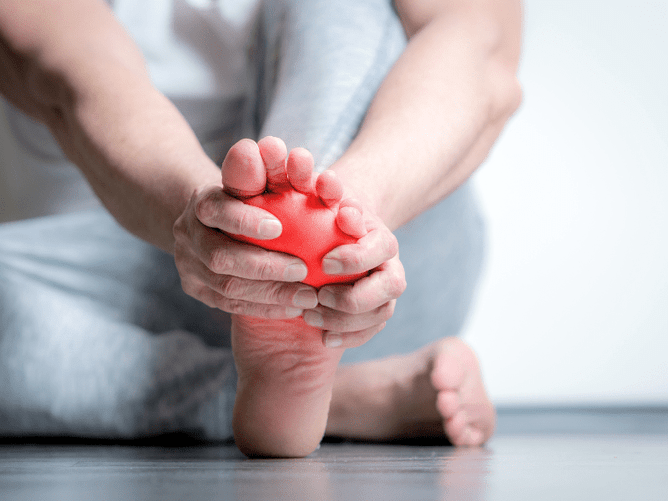
The forefoot is a highly functional region of the foot, responsible for balance, propulsion, and efficient push-off during walking and running. It includes the toes, the ball of the foot, and the joints that connect them to the midfoot. Because this area bears significant load with every step, it is particularly vulnerable to mechanical stress, structural deformity, and nerve irritation.
Forefoot pain can affect people of all ages and activity levels, often limiting mobility, changing the way a person walks, and causing discomfort during everyday activities.
At Foot Foundation, podiatrists and physiotherapists work together to diagnose and manage all forms of forefoot pain. Whether caused by bunions, neuromas, joint degeneration, or overloading of the ball of the foot, treatment is tailored to restore comfort, function, and long-term foot health.
Why Forefoot Pain Occurs
The forefoot experiences high pressure during walking, especially during the toe-off phase where body weight shifts to the ball of the foot. Poor footwear, abnormal biomechanics, foot structure variations, and repetitive loading can all contribute to pain.
Common contributing factors include:
Tight calf muscles altering load during push-off
Flat feet or high arches affecting pressure distribution
Unsupportive footwear or narrow toe boxes
Overuse from running, dancing, or prolonged standing
Instability or weakness in the toes and metatarsal joints
Arthritic change with age
Understanding the underlying cause helps ensure the correct treatment pathway.
Common Causes of Forefoot Pain
1. Bunions (Hallux Valgus)
A bunion is a progressive deformity where the big toe drifts inward, causing the joint to enlarge and shift. This misalignment leads to pain, swelling, stiffness, and difficulty finding comfortable footwear.
Symptoms may include:
A visible bump on the side of the big toe
Aching or sharp pain in the big toe joint
Redness or irritation from shoe pressure
Reduced movement during walking
Bunions often worsen gradually and may be influenced by genetics, footwear choices, and foot posture.
2. Morton’s Neuroma
Morton’s neuroma is a nerve irritation or thickening between the metatarsal bones, usually between the third and fourth toes.
People often describe:
Burning or shooting pain in the forefoot
Tingling or numbness in the toes
A sensation of “walking on a pebble”
Pain aggravated by narrow or tight shoes
The condition is often linked to repetitive compression of the nerve.
3. Metatarsalgia
Metatarsalgia refers to generalised pain under the ball of the foot, caused by excessive pressure on the metatarsal heads.
It commonly presents as:
Aching or bruised sensation under the forefoot
Pain with prolonged standing, walking, or running
Callus formation at pressure points
Discomfort during toe-off
Metatarsalgia can occur due to poor biomechanics, toe deformities, or wearing unsupportive footwear.
4. Sesamoiditis
Sesamoiditis is an inflammation of the two small sesamoid bones located beneath the big toe joint. These bones act like tiny shock absorbers and help the toe bend effectively during movement.
Symptoms may include:
Localised pain under the big toe joint
Swelling or tenderness in the forefoot
Pain during push-off, especially in runners and dancers
Increased discomfort when barefoot
This condition often develops from overuse or a sudden increase in high-impact activity.
5. Hallux Limitus / Hallux Rigidus
Hallux limitus refers to reduced movement of the big toe joint, while hallux rigidus is more advanced stiffness or arthritis.
Patients may notice:
Pain during push-off or running
Reduced upward movement of the big toe
Swelling or stiffness around the joint
Difficulty wearing certain shoes
With progression, the joint may become rigid, making walking uncomfortable and altering gait mechanics.
When to Seek Assessment for Forefoot Pain
Professional assessment is recommended when:
Pain persists for more than one to two weeks
The forefoot feels unstable during walking
There is visible deformity or swelling
Symptoms worsen with activity
Pain affects daily tasks such as standing or driving
There is numbness, tingling, or burning in the toes
Prompt diagnosis helps prevent progression of deformity, joint stiffness, and long-term mechanical issues.
How Foot Foundation Assesses Forefoot Pain
Foot Foundation clinicians conduct a thorough assessment to determine the underlying cause of discomfort. This includes:
Comprehensive Biomechanical and Gait Assessment
Evaluation includes foot posture, joint mobility, muscle strength, walking mechanics, and pressure distribution across the forefoot.
Functional Testing
Strength, balance, and movement tests help identify areas of overload or weakness contributing to symptoms.
Footwear Review
Assessment of shoe structure, fit, support, and wear patterns provides insight into how footwear affects forefoot loading.
Imaging Referral (when necessary)
Ultrasound or X-ray may be recommended to assess joint degeneration, fractures, soft tissue irritation, or nerve involvement.
Evidence-Based Treatment for Forefoot Pain
Treatment varies based on the diagnosis and individual needs but may include:
Custom Orthotics
Orthotics help redistribute pressure across the forefoot, reduce overload, and support proper alignment of the toes and metatarsals.
Footwear Modification
Wide toe boxes, cushioning soles, and supportive structures can significantly reduce forefoot stress.
Strengthening and Rehabilitation Exercises
Targeted exercises improve forefoot mobility, toe strength, and gait efficiency.
Shockwave Therapy
Shockwave can be effective for chronic joint and tendon-related forefoot conditions, including sesamoiditis or long-standing metatarsalgia.
Manual Therapy and Joint Mobilisation
Hands-on techniques help restore normal joint function and reduce muscle tension.
Strapping and Padding
Padding can offload painful areas, while strapping supports joint alignment and reduces irritation.
Referral to Orthopaedics
For severe bunions, rigid hallux limitus, or persistent neuroma pain, collaboration with orthopaedic specialists ensures appropriate surgical consideration when needed.
Treatment is available across all Foot Foundation clinics: Pinehill, Remuera, Botany, Hamilton, Smales Farm, and Tauranga.
Preventing Forefoot Pain
Preventative strategies include:
Wearing supportive footwear with adequate cushioning
Avoiding narrow or restrictive toe boxes
Strengthening the intrinsic muscles of the foot
Stretching the calves to reduce forefoot load
Using orthotics when recommended
Gradually increasing training intensity
These measures help maintain healthy mechanics and reduce recurrence.