Heel Fissure Treatment
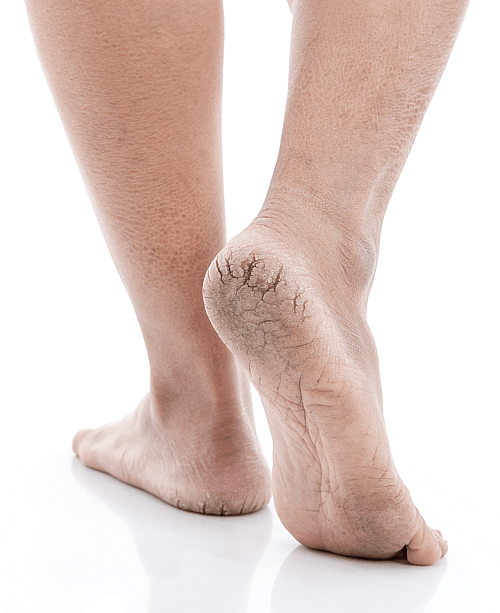
Cracked heels, also known as heel fissures, can range from mild dryness to deep, painful cracks that make standing or walking uncomfortable. At Foot Foundation, our clinicians provide specialised treatment designed to relieve pain, repair damaged skin, and prevent the problem from returning.
Our approach focuses on restoring skin health while reducing the mechanical stress that causes heels to crack in the first place.
What Does Heel Fissure Treatment Involve?
Your appointment begins with a detailed assessment of the skin on your heels and surrounding foot structures. This allows our clinicians to determine the severity of the fissures and the most appropriate treatment approach.
During your appointment, your podiatrist may:
The Foot Foundation 14-Day Skin Repair Protocol
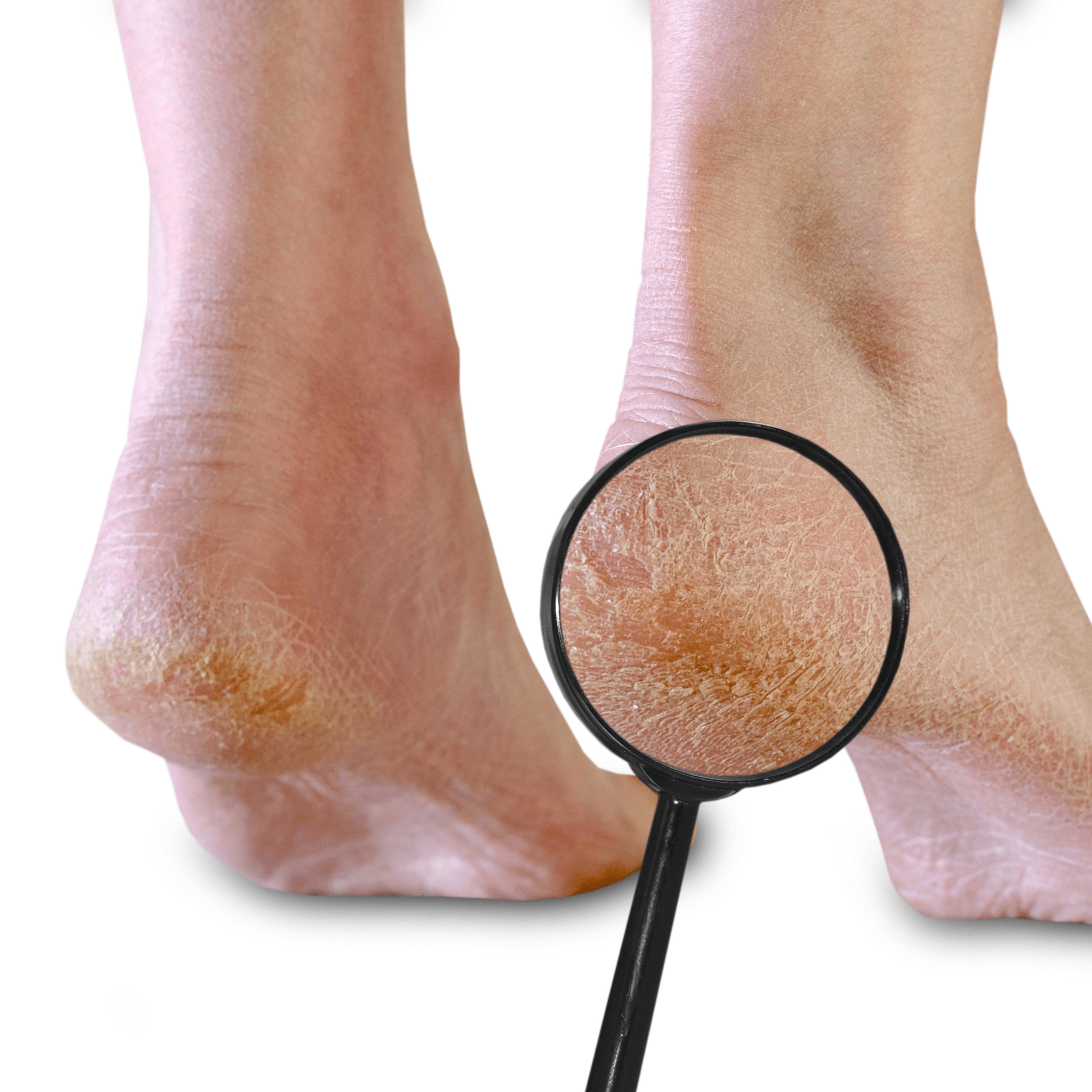
Following treatment, many patients are guided through our 14-day callus reduction and skin repair protocol.
This structured program focuses on restoring hydration and improving skin elasticity so that the fissure can heal effectively. The protocol is designed to:
Rehydrate dry and damaged skin
Reduce the build-up of hardened skin
Improve skin flexibility
Support natural healing of the fissure
Patients are provided with clear instructions on how to follow the protocol at home to maximise results.
Professional Callus Reduction
One of the most important steps in treating heel fissures is reducing the thickened skin surrounding the crack. Excess callus creates tension across the heel, which causes the skin to split.
Our clinicians carefully remove and smooth hardened skin using specialised podiatry instruments to reduce pressure and allow the skin to move more naturally.
Fissure Stabilisation (When Needed)
For deeper or painful cracks, our clinicians may use specialised techniques to stabilise the fissure and reduce stress on the skin.
In some cases, medical-grade skin adhesives may be used to help support the fissure edges and improve comfort while the skin heals. This can provide rapid pain relief and protect the crack during everyday activities.
Pressure and Footwear Assessment
Heel fissures are often related to pressure through the heel during walking or standing.
Your clinician may assess:
Footwear support and cushioning
Pressure distribution through the heel
Walking mechanics
Advice may be provided on footwear changes or supportive devices that help reduce stress through the heel.
Who Can Benefit from Heel Fissure Treatment?
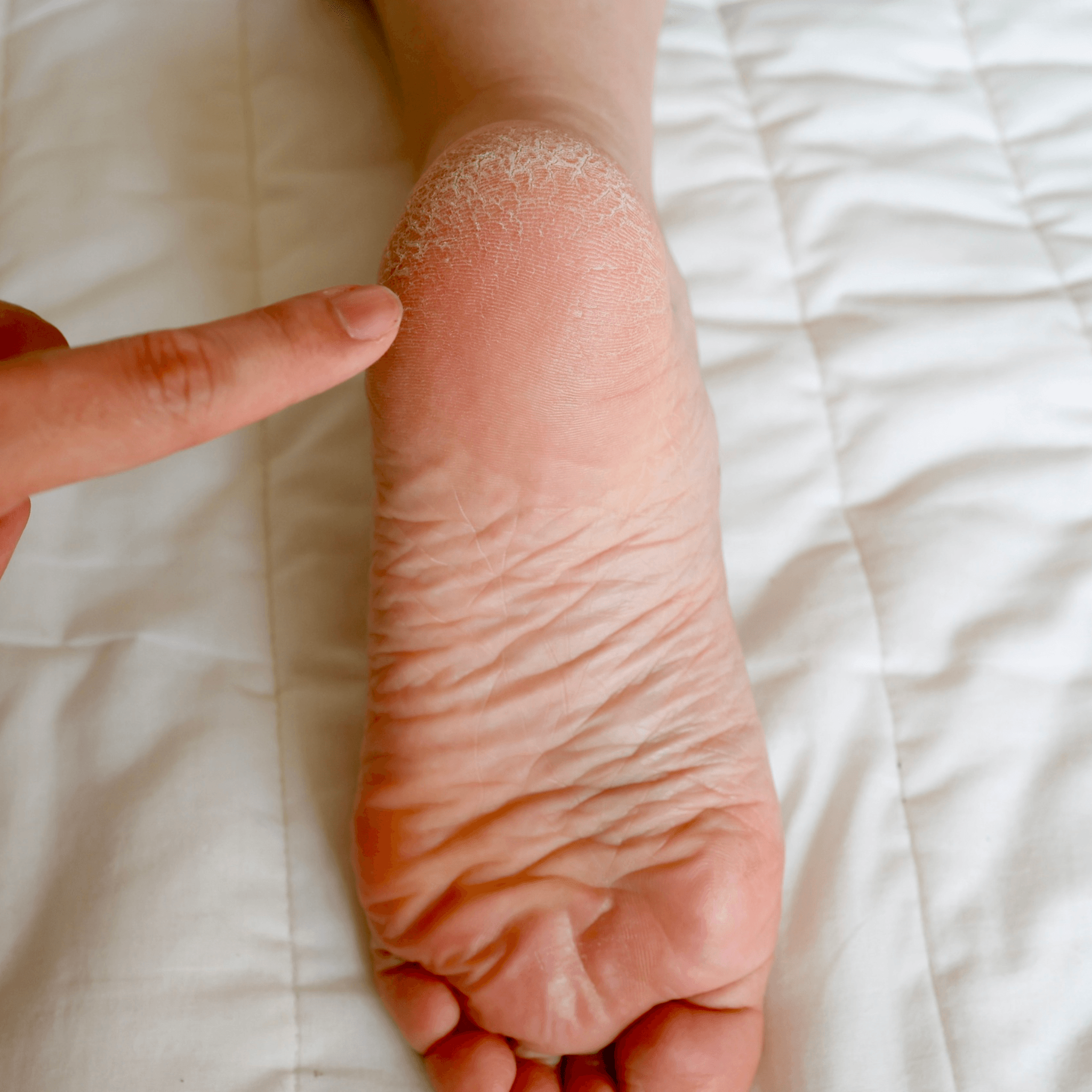
Heel fissure treatment may be beneficial for people who:
Have painful cracks in their heels
Experience dry, thickened skin that repeatedly splits
Notice bleeding or discomfort when walking
Spend long periods standing on hard surfaces
Have recurring cracked heels despite using moisturisers
Want professional care to prevent fissures worsening
Many patients seek treatment because cracked heels are not improving with home care alone.
Ongoing Management and Prevention
Treating the fissure itself is only part of the solution. Preventing recurrence is equally important.
Your clinician will guide you on strategies to keep your heels healthy, which may include:
Skin hydration routines to maintain elasticity
Footwear recommendations to reduce heel pressure
Load management to minimise excessive stress on the skin
Periodic podiatry care for patients prone to fissures
For some patients, regular podiatry treatment can be the most effective way to keep the skin healthy and prevent cracks from returning.

Where is Heel Fissure Treatment available?
Heel Fissure Treatment is available at selected Foot Foundation clinics across Auckland, Hamilton, and Tauranga.
Our team can help you find the most convenient clinic for your assessment and treatment plan, whether you are based in Pinehill, Smales Farm, Remuera, Botany, Hamilton East, Hamilton Central, or Bethlehem.

Podiatrist pricing and availability
Pricing for Heel Fissure Treatment can vary depending on your consultation, the severity of the fissures, callus reduction required, stabilisation techniques, follow-up care, and whether ongoing podiatry treatment is recommended to help prevent recurrence.
Your Foot Foundation podiatrist will assess the condition of your heels, explain the most appropriate treatment approach, and recommend a care plan based on your skin condition, pain level, and risk of the fissures returning.
To learn more about our podiatrists and current pricing, use the links below:
Heel Fissure Treatment – Frequently Asked Questions
Why do my heels keep cracking?
Cracked heels often develop when thickened skin builds up around the heel and becomes dry and less flexible. When pressure is placed through the heel during standing or walking, the skin can split.
Can cracked heels heal on their own?
Very mild cracks may improve with moisturising and regular skin care. However, once thickened skin and deeper fissures develop, professional treatment is often needed to remove hardened skin and support healing.
What does Heel Fissure Treatment involve?
Treatment usually begins with a detailed skin assessment, followed by professional callus reduction to reduce pressure around the fissure. In some cases, clinicians may also recommend a structured skin repair plan, fissure stabilisation, or footwear advice to help reduce recurrence.
What is the Foot Foundation 14-day protocol?
This is a structured skin repair programme designed to improve hydration, reduce hardened skin, and support healing after treatment. Your clinician will explain how to follow the protocol at home to help improve results.
What is medical-grade glue used for?
For some deeper fissures, medical-grade skin adhesive may be used to support the fissure edges, reduce movement across the crack, and improve comfort while the skin heals.
Does Heel Fissure Treatment hurt?
Heel Fissure Treatment is usually very comfortable. Many patients feel immediate relief once the hardened skin surrounding the crack has been reduced.
How long does it take for cracked heels to heal?
Many patients notice improvement quickly after treatment, especially when they follow the recommended home care routine. Healing time depends on how deep the fissure is and how well the skin is managed afterwards.
How often should I attend?
This depends on the severity of the fissures and how prone your skin is to cracking. Routine fissures may be reviewed within 2 to 4 weeks, while more severe fissures may need review within 1 to 2 weeks. Some patients also benefit from maintenance podiatry care.
How can I prevent cracked heels from returning?
Preventative care often includes keeping the skin well hydrated, wearing supportive footwear, reducing excessive pressure through the heel, avoiding prolonged barefoot walking on hard surfaces, and having regular podiatry treatment if needed.
Book Your Heel Fissure Treatment Appointment Today
Foot Foundation provides specialist Heel Fissure Treatment for dry, cracked, and painful heels. Our clinicians focus on reducing hardened skin, restoring skin health, relieving discomfort, and helping prevent the problem from returning.
You will receive expert podiatry care, practical advice on skin repair and prevention, and a tailored treatment plan based on the severity of your fissures, your pain level, and the mechanical stress affecting your heels.