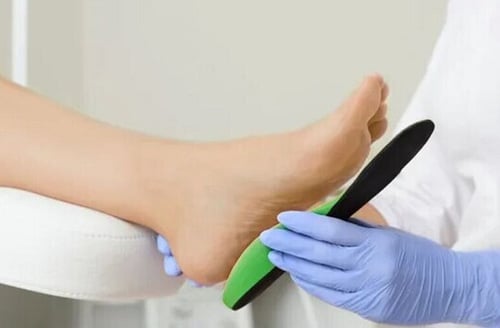
Heel Pain education and Diagnosis
Understanding the root cause of heel pain is vital. Our clinic focuses on educating patients about various conditions contributing to heel discomfort, offering clear insights into the diagnosis process.
Educational Focus on Heel Pain
At our specialised heel pain clinic, educating patients about the complexities of heel pain is a core priority. We emphasise comprehensive knowledge about various conditions causing heel pain, such as plantar fasciitis, Achilles tendinopathy, heel spurs, and other related issues.
Our educational initiatives aim to empower patients with a deep understanding of the underlying causes, symptoms, and available treatment options specific to heel-related ailments.
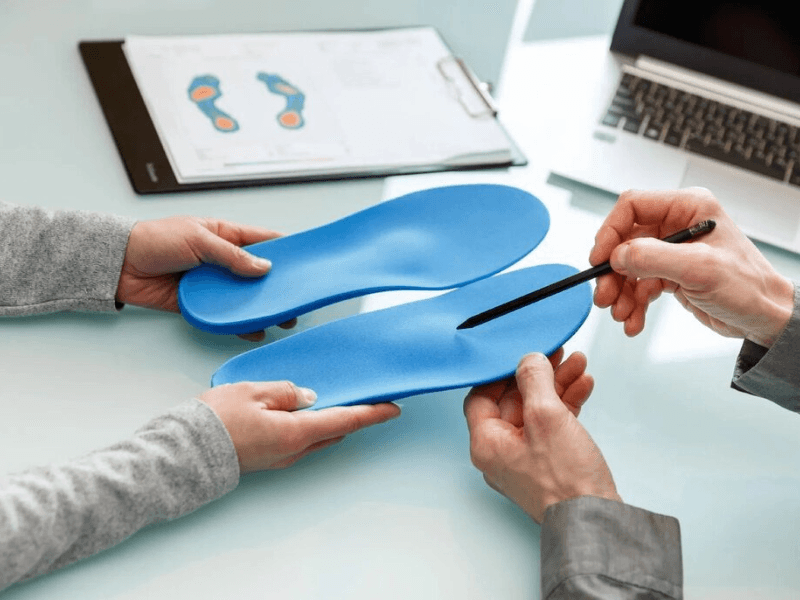
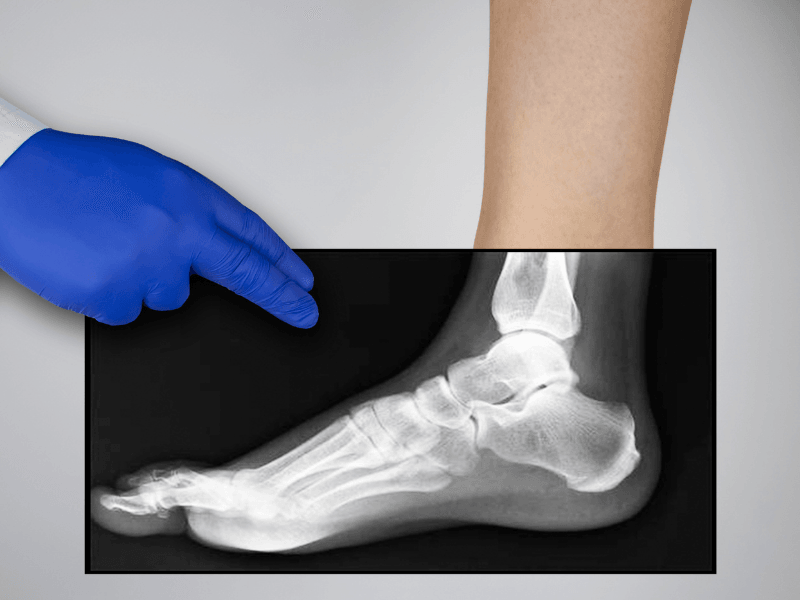
Diagnostic Precision for Heel Pain Conditions
Our clinic employs a meticulous diagnostic process tailored explicitly for heel pain conditions. A team of experienced professionals, including podiatrists or orthopedic specialists with expertise in heel pain, conducts detailed assessments.
This involves precise physical examinations, specialised imaging studies (like X-rays or ultrasounds), gait analysis, and thorough review of medical history to accurately pinpoint the root cause of heel discomfort.
Customised Approach to Heel Pain Diagnosis
Recognising the uniqueness of each patient's condition, we take a personalised approach to heel pain diagnosis. By actively engaging with patients, understanding their concerns, and utilising advanced diagnostic tools, we strive to create individualised treatment plans.
This tailored approach ensures alignment with each patient's specific needs, facilitating accurate diagnosis and effective treatment strategies.


Transparent Communication and Informed Decision-Making
Clear and transparent communication is pivotal in our diagnostic approach for heel pain. We ensure patients comprehend their diagnosis, diagnostic findings, and available treatment pathways.
Through open discussions and shared decision-making, we collaborate with patients to develop personalised care plans. This patient-centric approach fosters confidence and understanding, empowering individuals to actively participate in their heel pain treatment.
Continual Education and Ongoing Support
Continuous education forms the backbone of our heel pain clinic. We provide consistent support and comprehensive information to patients, equipping them with the necessary knowledge to manage heel-related conditions effectively.
From discussing preventive measures to explaining various treatment modalities, our commitment is to empower patients with the tools and information crucial for making informed decisions concerning their heel pain management.

Where is heel pain diagnosis and treatment available?
Heel pain assessment, diagnosis, and treatment are available at selected Foot Foundation clinics across Auckland, Hamilton, and Tauranga.
Our team can help you find the most convenient clinic for your assessment and treatment plan, whether you are based in Pinehill, Smales Farm, Remuera, Botany, Hamilton East, Hamilton Central, or Bethlehem.

Podiatrist pricing and availability
Pricing for heel pain assessment and diagnosis can vary depending on your consultation, the complexity of your symptoms, the diagnostic process required, and whether ongoing podiatry or rehabilitation care is recommended.
Your Foot Foundation clinician will assess your heel pain, identify the likely contributing factors, and explain the most appropriate treatment pathway based on your symptoms, activity level, and recovery goals.
To learn more about our podiatrists and current pricing, use the links below:
Heel pain – Frequently Asked Questions
What causes heel pain?
Heel pain can come from several different conditions, including plantar fasciitis, Achilles tendinopathy, heel spurs, bursitis, nerve irritation, and other soft tissue or joint problems. The exact cause needs proper assessment because different heel conditions can feel very similar at first.
Why is accurate diagnosis important for heel pain?
Accurate diagnosis is important because heel pain is not one single condition. Different causes of heel pain need different treatment approaches, so identifying the true source of the problem helps ensure treatment is targeted and effective.
What happens during a heel pain assessment?
A heel pain assessment usually includes a detailed discussion of your symptoms, medical history, activity levels, footwear, and any previous injuries. Your clinician will also examine the foot and ankle, test the painful area, assess movement, and look at how you walk or stand.
Do I need imaging for heel pain?
Not always. Many heel pain conditions can be diagnosed clinically, but X-rays, ultrasound, or other imaging may sometimes be recommended if the diagnosis is unclear, symptoms are not improving, or another issue needs to be ruled out.
Can heel pain be caused by more than one problem?
Yes. Some patients have more than one contributing factor at the same time, such as plantar fasciitis with calf tightness, poor biomechanics, or Achilles-related symptoms. That is why a full assessment is important.
How long should I wait before getting heel pain checked?
If heel pain lasts longer than one to two weeks, keeps returning, or starts affecting walking, work, exercise, or daily comfort, it is best to have it assessed early.
Can poor footwear cause heel pain?
Yes. Unsupportive, worn-out, or unsuitable footwear can increase stress on the heel and surrounding tissues. Footwear is often an important part of both diagnosis and treatment planning.
What treatments might be recommended after diagnosis?
Treatment depends on the cause of the heel pain, but may include orthotics, footwear advice, shockwave therapy, rehabilitation exercises, manual therapy, strapping, load management, or referral for further investigation where needed.
Will heel pain go away on its own?
Some mild cases may settle with rest or reduced activity, but ongoing or recurring heel pain often needs proper diagnosis and treatment to prevent it from becoming more persistent.
When should I see a podiatrist for heel pain?
10,000+
Appointments delivered across our clinics, helping patients improve foot health, mobility, and long-term outcomes.
7 Clinics
Conveniently located across Auckland, Hamilton, and Tauranga, making it easy to access a podiatrist near you.
30+ Treatments
Comprehensive podiatry services including fungal nail care, ingrown toenail treatment, rehabilitation, and general foot care.
Book Your Shockwave Heel Pain Diagnosis and Treatment Today
Foot Foundation provides specialist heel pain assessment and diagnosis to help identify the true cause of your symptoms and guide the most appropriate treatment plan. Whether your pain relates to plantar fasciitis, Achilles tendinopathy, heel spurs, or another heel condition, our team focuses on clear diagnosis and evidence-based care.
You will receive expert podiatry care, a clear diagnosis, and a personalised treatment plan designed to reduce pain, improve function, and help prevent the problem from returning.
Appointments are available across Auckland, Hamilton, and Tauranga.