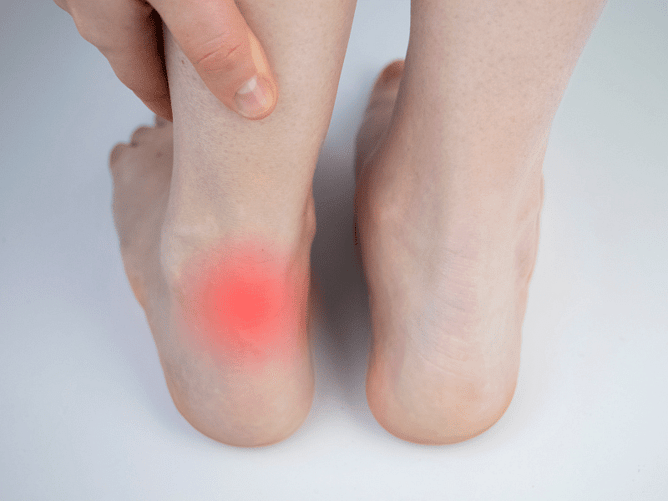
Achilles Tendinopathy: Causes, Symptoms, and Treatment
Achilles tendinopathy is one of the most common causes of pain at the back of the heel, particularly among runners, active adults, and individuals who spend long periods on their feet. The condition develops when the Achilles tendon becomes overloaded, leading to collagen breakdown, tendon thickening, and reduced capacity to tolerate everyday movement.
Many people assume Achilles pain is simply inflammation. In reality, mid-portion Achilles tendinopathy is typically a degenerative condition — meaning the tendon has failed to heal properly after repetitive micro-stress. Without targeted treatment, symptoms often persist and may progressively worsen.
At Foot Foundation, we provide specialist diagnosis and evidence-based treatment for Achilles tendinopathy. Through structured loading programmes, shockwave therapy, orthotic intervention, and rehabilitation planning, our goal is to restore tendon health and support a safe return to activity.
What Is Mid-Portion Achilles Tendinopathy?
Mid-portion Achilles tendinopathy affects the section of the tendon located approximately 2–6 cm above the heel bone. This region is particularly vulnerable due to reduced blood supply and high mechanical demand during walking and running.
Rather than being a purely inflammatory condition, Achilles tendinopathy reflects a failed healing response. Repetitive strain causes microscopic tendon damage that exceeds the body’s repair capacity. Over time, the tendon structure becomes disorganised and thickened, resulting in stiffness and pain.
Because anti-inflammatory medication does not address the underlying degeneration, effective treatment focuses on progressive loading and biomechanical correction.
Causes and Risk Factors
Achilles tendinopathy rarely develops from a single event. Instead, it typically results from cumulative strain combined with mechanical or lifestyle factors.
Common contributors include:
Repetitive overload from running, jumping, or sudden increases in training
Compressive stress during uphill walking, stair climbing, or deep ankle bending
Flat feet or high arches altering tendon mechanics
Restricted ankle mobility increasing tendon strain
Poor footwear lacking cushioning or heel support
Calf tightness placing excessive tension on the tendon
Age-related changes reducing tendon elasticity
Haglund’s deformity causing mechanical irritation
High activity levels without adequate recovery
Identifying these factors is essential to prevent recurrence.
Symptoms of Achilles Tendinopathy
Symptoms often begin subtly and worsen gradually.
Patients commonly report:
Pain and stiffness at the back of the heel
Discomfort during the first steps in the morning
Pain that improves slightly with movement but returns after activity
Tenderness when pressing along the tendon
Swelling or visible thickening
Pain when wearing shoes that contact the heel
Reduced strength during push-off
In more advanced cases, everyday walking may become uncomfortable. Early management significantly improves recovery timelines.
How Achilles Tendinopathy Is Diagnosed
Accurate diagnosis is critical, as heel pain may also stem from bursitis, insertional tendon issues, or partial tears.
At Foot Foundation, diagnosis typically includes:
Detailed clinical history
Palpation of the tendon
Functional testing such as heel raises
Assessment of calf flexibility
Footwear evaluation
Gait and biomechanical analysis
Where necessary, imaging such as ultrasound or X-ray may be recommended to confirm tendon degeneration or rule out other pathology.
Evidence-Based Treatment at Foot Foundation
Evidence-Based Treatment at Foot Foundation
Exercise Therapy
Progressive loading programmes — including eccentric and heavy-slow resistance exercises — are the gold standard for restoring tendon capacity.
Shockwave Therapy (ESWT)
Shockwave stimulates cellular activity and is particularly effective for chronic tendinopathy that has not responded to rest alone.
Custom Orthotics
Orthotics improve lower-limb alignment and reduce excessive strain on the tendon.
Heel Lifts
Temporary heel elevation helps offload the tendon during painful stages.
Manual Therapy
Soft-tissue treatment and calf release improve flexibility and reduce compensatory loading.
Footwear Modification
Supportive, cushioned footwear with slight heel elevation reduces mechanical stress.
Return-to-Sport Planning
Structured rehabilitation ensures patients return to activity safely without triggering reinjury.
When to Seek Professional Care
Assessment is recommended if:
Pain persists longer than two weeks
Symptoms worsen with activity
Morning stiffness becomes pronounced
The tendon appears thickened
Walking or exercise becomes limited
Early treatment helps reduce the risk of chronic degeneration and supports a faster return to normal activity.
Preventing Achilles Tendon Injuries
Preventive strategies include:
Gradually increasing training loads
Maintaining calf strength and flexibility
Wearing supportive footwear
Addressing biomechanical issues early
Allowing adequate recovery between sessions
Proactive care plays a key role in supporting long-term tendon resilience and reducing the likelihood of future injury.
Achilles Tendinopathy Treatment in New Zealand
Foot Foundation provides specialist Achilles tendon care across Auckland, Hamilton, and Tauranga, combining podiatry and physiotherapy expertise to deliver comprehensive rehabilitation.
If Achilles pain is limiting your activity, early assessment can help restore movement and prevent long-term complications.