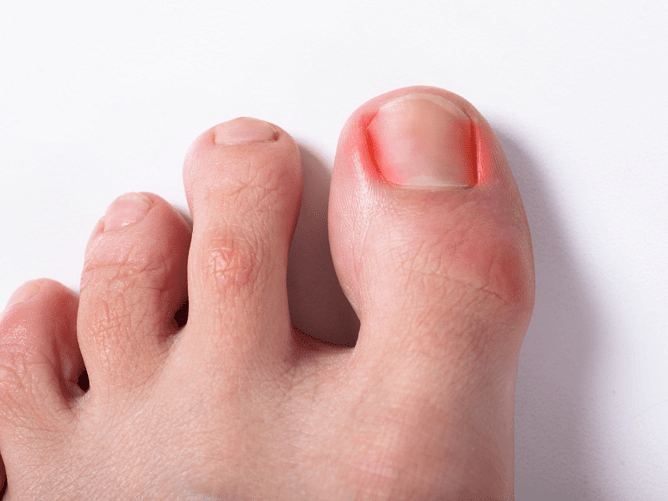
Toe Pain: Causes, Common Toe Conditions, and Treatment Options
Toe pain can be deceptively disruptive. The toes are small, but they are essential for balance, stability, and propulsion. During walking and running, the toes stabilise the forefoot, assist with weight transfer, and provide a firm lever for push-off. When toe joints, tendons, or bones are irritated or misaligned, even simple activities—standing at work, wearing shoes, climbing stairs, can become uncomfortable.
Toe conditions often worsen gradually. A mild deformity can become rigid. A “small” injury can evolve into ongoing joint stiffness. Pain changes the way people walk, and that compensation can create new problems elsewhere in the foot and leg.
At Foot Foundation, podiatrists and physiotherapists provide specialist diagnosis and evidence-based treatment for a wide range of toe conditions, from structural deformities (such as hammer toes) to acute injuries (such as turf toe or fractures). Care focuses on reducing pain, improving function, and preventing recurrence through biomechanical correction, footwear optimisation, and targeted rehabilitation.
Why Toe Pain Happens
Toe pain typically comes from one or more of the following drivers:
Biomechanical stress: abnormal loading through the forefoot due to flat feet, high arches, or altered gait patterns
Footwear pressure: narrow toe boxes, stiff soles, or high heels compressing toes and joints
Tendon imbalance: muscle-tendon forces pulling toes into deformity over time
Arthritis and joint degeneration: stiffness and pain from cartilage wear or inflammatory conditions
Trauma: direct impact (stubbing, dropped objects), twisting injuries, or repetitive stress
Instability: laxity at the toe joints, leading to progressive toe drifting or overlapping
Getting the cause right matters. Treating toe pain without understanding the mechanism is how people end up stuck in a cycle of flare-ups.
Common Symptoms of Toe Conditions
Toe conditions don’t always present as “sharp pain”. People often report:
Pain in shoes, especially at the toe tips or over knuckles/joints
Corns, calluses, or rubbing where the toe contacts footwear
Stiffness in the big toe or lesser toes (especially during push-off)
Swelling around a toe joint
A toe that is drifting, curling, or crossing over another toe
Pain after sport, sprinting, or jumping (particularly big toe joint sprains)
Bruising and tenderness after impact or suspected fracture
If toe pain persists beyond 1–2 weeks, worsens with activity, or significantly affects walking, a structured assessment is recommended.
Common Toe Conditions
Hammer Toes
A hammer toe is a deformity where the toe bends abnormally at the middle joint, often creating a prominent “knuckle” that rubs against shoes. Over time, the toe may become rigid, making footwear increasingly difficult.
Common features include:
Pressure pain over the top of the toe joint
Corns from rubbing
Pain at the toe tip due to increased pressure
Progressive stiffness and reduced toe flexibility
Hammer toes are often linked to forefoot loading patterns, poor toe control, and footwear compression.
Claw Toes
Claw toes involve bending at both toe joints, causing the toe to curl downward. This can lead to toe tip pain, nail pressure, and difficulty fitting into shoes comfortably. Claw toes may be associated with long-standing biomechanical imbalance, and in some cases neurological conditions.
People may notice:
Toes “clawing” and gripping the ground
Pain at the ball of the foot and toe tips
Callus formation beneath the forefoot
Reduced stability and shoe intolerance
Mallet Toes
Mallet toe deformity affects the end joint of the toe, causing the tip to bend downward. It commonly affects the second or third toe and may lead to nail pressure and shoe irritation.
Typical symptoms:
Pain at the end of the toe in shoes
Nail discomfort or thickening from repeated pressure
Corns at the toe tip
Overlapping Toes
Overlapping toes occur when one toe crosses over another. This may develop due to bunion-related crowding, flat feet, tendon imbalance, or congenital structure. Over time, overlapping can become fixed and painful.
Common complaints include:
Rubbing and pressure between toes
Skin irritation, corns, or blisters
Difficulty finding shoes that fit
Progressive deformity if untreated
Turf Toe
Turf toe is a sprain of the big toe joint caused by forced hyperextension, commonly seen in athletes. It can be mild or severe, and recovery time depends on the degree of ligament injury.
Symptoms often include:
Pain under or around the big toe joint
Swelling and bruising after injury
Pain when pushing off, sprinting, or jumping
Reduced stability through the forefoot
Because turf toe can involve ligament injury and joint instability, early assessment is important, especially for athletes wanting to return to sport safely.
Fractures and Trauma
Toe fractures and crush injuries are common and often underestimated. Some breaks are stable and heal well with conservative care, while others require closer monitoring, immobilisation, or referral.
Possible signs of fracture include:
Immediate pain after impact
Swelling and bruising
Point tenderness over the bone
Pain during weight-bearing or toe movement
Toe deformity or altered alignment
Imaging may be recommended where a fracture is suspected, symptoms persist, or function is significantly limited.
How Foot Foundation Assesses Toe Pain
Toe conditions require more than a quick visual check. At Foot Foundation, assessment typically includes:
Clinical history: onset, aggravating activities, footwear triggers, sport demands, prior injuries
Biomechanical and gait assessment: foot posture, load distribution, toe function during push-off
Joint testing: range of motion, stability, inflammation patterns
Skin and pressure review: corns, calluses, blister points, toe friction zones
Footwear assessment: toe box width, sole stiffness, fit, wear patterns
Imaging referral when needed: X-ray for suspected fractures or arthritis; ultrasound/MRI for more complex soft tissue or joint injuries
This approach ensures treatment matches the actual driver of the problem, not just the symptom.
Evidence-Based Treatment for Toe Pain at Foot Foundation
Treatment depends on whether the issue is structural, inflammatory, traumatic, or load-related. Options may include:
Conservative Management
Footwear advice to reduce toe compression and improve forefoot stability
Padding and toe protection to reduce friction, corns, and pressure points
Splints or toe props to improve alignment and reduce tendon-driven deformity stress
Load management to settle irritated joints and soft tissues
Custom Orthotics
Orthotics can reduce forefoot overload, improve toe mechanics during gait, and address contributing foot posture (e.g., excessive pronation or poor load transfer). For many patients, orthotics are the difference between recurring symptoms and long-term control.
Rehabilitation and Strengthening
Targeted programmes may include:
Toe intrinsic muscle strengthening
Calf and foot control work to improve push-off mechanics
Mobility work where stiffness is driving overload
Return-to-sport planning after turf toe or traumatic injury
Manual Therapy and Joint Mobilisation
Hands-on therapy can support joint motion, reduce stiffness, and improve functional movement, particularly where toe joint restriction contributes to compensatory overload.
Shockwave Therapy
Shockwave may be used where associated soft tissue pain is present and clinically indicated (for example, tendon-related pain patterns contributing to toe or forefoot overload).
Referral Pathways
If a condition is severe, unstable, or not responding to conservative care, referral pathways are available for:
Imaging
Orthopaedic consultation when surgical management is required (e.g., rigid deformity, persistent joint instability, complex fractures)
Prevention: How to Reduce Recurrence
Toe pain often returns when footwear and biomechanics aren’t addressed. Long-term prevention commonly involves:
Choosing shoes with an adequate toe box width and appropriate sole structure
Correcting repetitive overload with orthotics when indicated
Strengthening toe and foot control to support stable push-off
Managing training loads to avoid sudden spikes in sprinting, jumping, or hill work
Addressing early deformity before it becomes rigid and more difficult to treat
Treatment Locations
Toe pain assessment and treatment is available at all Foot Foundation clinics: Pinehill, Takapuna, Remuera, Botany, Hamilton, and Tauranga.