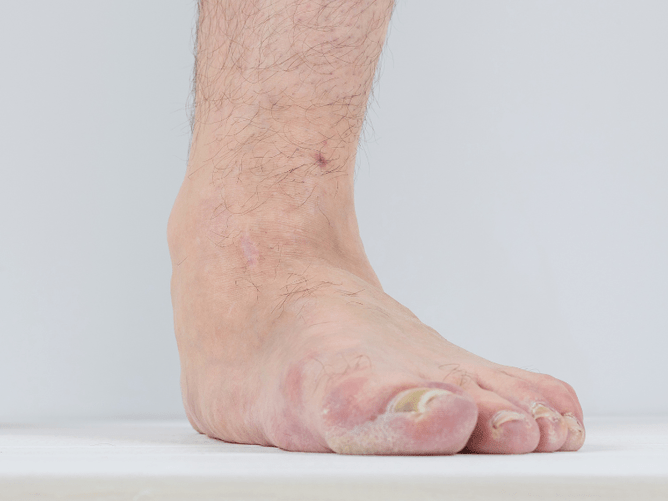
Toenails serve a protective function for the toes, helping to shield sensitive tissues beneath them and assist with stability during walking. However, because the feet encounter constant pressure, moisture, and trauma risk, toenails are particularly prone to infection, deformity, thickening, and ingrown irritation. Nail problems can lead to pain in footwear, sensitivity when walking, cosmetic changes, and in some cases infection requiring prompt intervention.
At Foot Foundation, our podiatrists provide comprehensive diagnosis and treatment for a full range of nail conditions, from painful ingrown toenails to fungal nail infections and nail deformities caused by injury or systemic disease. Treatment is tailored individually, focusing on relieving pain, improving function, and restoring nail appearance where possible.
Why Nail Problems Occur
Nail conditions may be caused by biomechanical pressure, trauma, fungal exposure, footwear issues, or changes within the nail matrix. They may also be linked to circulation, immune conditions, or skin disorders such as psoriasis.
Common contributing factors include:
Tight or narrow footwear placing pressure on nail edges
Trauma from sport, running, or dropping objects on the toes
Fungal exposure in gyms, pools, locker rooms, or footwear
Excess moisture or sweaty feet encouraging fungal growth
Improper nail cutting technique
Reduced circulation or sensation (particularly in diabetes)
Long-standing pressure causing nail thickening
Early podiatry care reduces progression and helps prevent complications such as infection.
Common Nail Conditions We Treat
1. Ingrown Toenails (Onychomycosis)
An ingrown toenail occurs when the nail edge grows into the surrounding skin, causing inflammation and sharp pain. If left untreated, infection and swelling may develop.
Symptoms may include:
Redness and swelling at the nail corner
Sharp pain when walking or in shoes
Yellow or bloody discharge if infected
Tenderness when pressure is applied
Conservative podiatry treatment often provides immediate relief. Severe or recurring cases may require minor nail surgery for long-term correction.
2. Fungal Nail Infections (Onychomycosis)
Fungal nail infections are common and often begin at the tip or edges of the nail before spreading. They can cause cosmetic changes and may spread to other nails.
Typical signs include:
Thickened, brittle, or crumbly nails
Yellow, white, or brown discolouration
Separation of the nail from the nail bed
Powdery debris beneath the nail
Foot Foundation offers medical-grade antifungal therapy and advanced options such as laser or photodynamic treatment.
3. Thickened or Deformed Nails (Onychogryphosis)
Nails may thicken or become distorted due to long-term pressure, trauma, fungal infection, or age-related changes. Without treatment, this can cause pain in footwear or difficulty trimming the nail. Professional nail reduction improves comfort and appearance.
4. Damaged or Trauma Nails
Sports, heavy impact, repetitive pressure, or dropped objects can damage the nail or nail matrix. Following trauma, nails may lift, bruise, fall off, or regrow abnormally. Podiatrists assist with protection during regrowth, reducing pressure, and treating secondary infection risk.
5. Psoriatic & Inflammatory Nail Changes
Psoriasis and systemic inflammatory conditions can alter nail structure, leading to pitting, ridging, crumbling, or discolouration. In some cases, nails may detach or become brittle.
Management focuses on symptom reduction, protection, and medical coordination when needed.
When to Seek Treatment
A podiatry assessment is recommended if you experience:
Persistent nail pain or swelling
Recurrent ingrown toenails
Nail thickening or discolouration
Difficulty trimming toenails
Fungal nail changes not improving with home care
Trauma to the nail or nail bed
Nail lifting, crumbling, or deformity
Early diagnosis improves treatment outcomes especially for fungal nails and ingrown nails that worsen over time.
How Foot Foundation Assesses Nail Conditions
Care begins with a detailed examination of the nail, surrounding skin, footwear, and contributing factors such as biomechanics and hygiene.
Assessment may include:
Visual and structural nail examination
Review of footwear pressure and nail shape
Evaluation of infection signs (fungal, bacterial, viral)
Circulation and sensation checks where appropriate
Discussion of recurrence history and contributing causes
Evidence-Based Treatment at Foot Foundation
Conservative Nail Care
Professional trimming, nail reshaping, and removal of painful nail edges.
Antifungal Treatment
Medical-grade topical therapy, oral referral guidance, or laser/photodynamic therapy.
Nail Surgery (Partial Nail Avulsion)
For recurring or severe ingrown toenails, a minor procedure under local anaesthetic provides permanent relief.
Orthotic and Footwear Recommendations
Reducing pressure around the nail to prevent repetition or trauma.
Home Care & Prevention
Cutting techniques, hygiene routines, moisture control and nail growth support strategies.
Referral Pathways
Dermatology or GP referral for psoriatic or systemic nail disease when required.
Treatment is available at all Foot Foundation clinics: Pinehill, Takapuna, Remuera, Botany, Hamilton, and Tauranga.