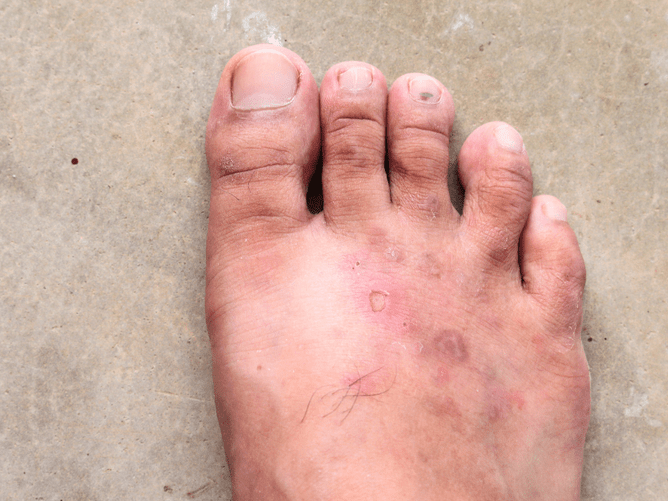
The skin of the foot endures continuous pressure, friction, sweat, and environmental exposure every day. These demands make it vulnerable to a wide range of skin conditions, from thickened, painful calluses to fungal infections, viral warts, cracked heels, and inflammatory skin disorders.
While some conditions appear minor at first, untreated skin problems can progress, leading to discomfort, reduced mobility, and even increased infection risk.
At Foot Foundation, our podiatrists specialise in identifying, treating, and preventing skin conditions affecting the feet. With evidence-based care, professional treatment techniques, and supportive education, we help patients restore comfort, maintain healthy skin, and prevent recurrence.
Why Skin Problems Develop in the Feet
Foot skin is unique it must withstand body weight, repetitive movement, and constant pressure. When combined with moisture from footwear or reduced airflow, the environment is ideal for irritation and infection.
Skin problems often occur due to:
Friction or pressure from footwear
Excessive sweating and moisture buildup
Standing for long periods
Hard, dry skin that cracks under load
Fungal or viral exposure in shared spaces
Poor circulation or systemic health conditions
Reduced sensation in diabetic patients
Early treatment prevents progression and reduces the risk of complications such as ulceration or infection.
Common Foot Skin Conditions We Treat
1. Corns & Calluses
Corns and calluses form when the skin thickens in response to repeated friction or pressure. While protective at first, excessive hard skin can become painful, especially inside footwear.
Common symptoms include:
Sharp, burning, or bruised sensation under pressure
Hard or raised skin on the toes or the ball of the foot
Pain when walking or wearing tight shoes
Professional debridement provides immediate relief and reduces recurrence risk.
2. Plantar Warts (Verrucae)
Plantar warts are caused by the human papillomavirus (HPV). They can appear as single lesions or clusters and often feel like standing on a stone.
Patients may notice:
Painful spots on the sole or heel
Disrupted skin lines with black pinpoint dots
Persistence despite home treatment
Because they can be stubborn, professional podiatry care improves treatment success and reduces spread.
3. Athlete’s Foot (Tinea Pedis)
A common fungal infection that thrives in warm, moist environments, especially between the toes or on the sole.
Symptoms include:
Itching, stinging, or burning
Peeling or cracked skin
Redness or white, soggy skin between the toes
Risk of spreading to toenails if untreated
Management includes antifungal therapy, hygiene education, and footwear adjustments.
4. Cracked Heels (Heel Fissures)
Cracked heels develop when dry, thickened skin splits under pressure. In advanced cases, fissures may bleed or become infected.
Typical features:
Painful or deep cracks in the heel
Rough, flaky skin around the edges
Increased discomfort when barefoot
Regular skin care, debridement, and moisture repair strategies provide relief.
5. Blisters
Fluid-filled blisters form from friction, heat, moisture, or repetitive motion. While common in active individuals, improper management can lead to infection. Early treatment reduces discomfort and supports faster healing.
6. Hyperhidrosis (Excessive Sweating)
Excessive sweating increases, risk of odour, friction, fungal infection, and skin breakdown. Treatment focuses on moisture control and underlying triggers.
7. Skin Infections & Dermatitis
Bacterial, fungal, and inflammatory skin conditions may cause redness, irritation, cracking, or swelling. In some cases, especially with diabetes, early intervention is essential to prevent complications.
When to Seek Professional Care
You should book an assessment if you notice:
Painful hard skin, corns, or pressure lesions
Persistent warts that do not improve with home care
Itching, cracking, or peeling skin between toes
Frequent blisters or skin breakdown
Severe dryness or fissures in the heel
Signs of infection redness, swelling, pus, or heat
Early treatment prevents worsening symptoms and reduces the risk of long-term issues.
How Foot Foundation Assesses Skin Conditions
Our podiatrists use a detailed approach to diagnose the type and cause of skin problems.
Assessment includes:
Skin evaluation and medical history
Footwear review to detect pressure areas
Gait and biomechanics where relevant
Sensation and circulation checks when required
Infection identification (fungal, viral, bacterial)
Evidence-Based Treatment at Foot Foundation
Depending on the condition, treatment may include:
Debridement & Skin Care
Professional removal of corns, calluses, fissures, and thickened skin for instant relief.
Infection Management
Targeted antifungal, antiviral, or antibacterial treatment.
Orthotics & Footwear Advice
Reducing pressure and friction to prevent re-formation of corns and calluses.
Education & Prevention
Moisture control strategies, hygiene advice, and regular skin care routines.
Referral Pathways
Dermatology or GP referral for systemic or persistent skin disorders when appropriate.
Treatment is available at all Foot Foundation clinics: Pinehill, Takapuna, Remuera, Botany, Hamilton, and Tauranga.