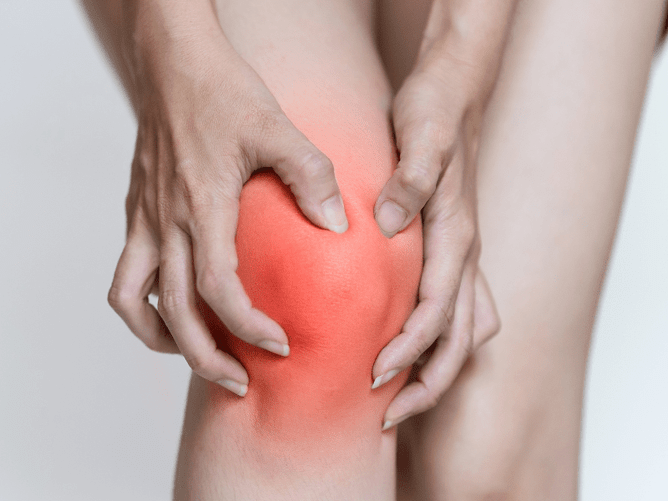
The knee joint is one of the most heavily loaded and mechanically demanding joints in the human body. With every step, jump, squat, and change of direction, the knee absorbs and transfers force between the upper and lower body. Because of this constant stress, it is particularly susceptible to overuse injuries, tendon disorders, and degenerative changes over time.
While knee pain is often assumed to originate solely within the knee itself, this is rarely the full picture. Foot mechanics, hip control, muscle strength, and footwear choices all play a significant role in knee health. When one part of this system is not functioning efficiently, the knee frequently becomes the point of overload.
At Foot Foundation, we provide specialist podiatry and physiotherapy care for knee pain. By combining gait and biomechanical analysis, custom orthotics, rehabilitation, shockwave therapy, and load management strategies, we address both symptoms and their underlying causes.
Why Knee Pain Develops
The knee sits between two powerful systems: the hip above and the foot below. If movement or alignment is compromised at either end, abnormal forces are transmitted through the knee joint.
Common contributors to knee pain include:
Flat feet or excessive pronation altering knee alignment
High arches reducing shock absorption
Weakness in the gluteal or quadriceps muscles
Poor hip control during walking or running
Inappropriate or worn footwear
Sudden increases in training volume or intensity
Repetitive impact from sport or occupational demands
Age-related degeneration of cartilage and joint surfaces
Over time, these factors can lead to pain, stiffness, reduced function, and recurrent injury.
Common Knee Conditions We Treat
1. Patellofemoral Pain Syndrome (Runner’s Knee)
Runner’s knee refers to pain at the front of the knee caused by irritation of the patellofemoral joint. Poor tracking of the kneecap, often due to hip weakness or excessive foot pronation, is the primary driver.
Symptoms may include:
Aching or sharp pain around or behind the kneecap
Discomfort when running, squatting, or climbing stairs
Clicking or grinding sensations
Pain during prolonged sitting (“movie-goer’s knee”)
Patellofemoral pain is very common in runners, cyclists, and individuals with poor lower-limb alignment.
2. Patellar Tendinopathy (Jumper’s Knee)
Patellar tendinopathy is an overuse injury affecting the tendon just below the kneecap. It is most common in sports requiring repeated jumping, sprinting, or rapid changes of direction.
Typical signs include:
Localised pain at the front of the knee
Stiffness after activity
Pain during jumping or explosive movements
Tenderness when pressing the tendon
This condition responds well to structured strengthening and load management.
3. Iliotibial Band Syndrome (ITB Friction Syndrome)
ITB syndrome is one of the most common causes of outer knee pain in runners. It occurs when the iliotibial banda, thick band of tissue running along the outside of the thigh, becomes irritated as it moves over the knee during activity.
It may present as:
Sharp pain on the outer side of the knee
Discomfort that worsens with distance or downhill running
Tightness along the outer thigh
Pain that eases with rest but returns quickly
Foot mechanics and hip control play major roles in the development of ITB syndrome.
4. Knee Osteoarthritis
Knee osteoarthritis involves gradual degeneration of the joint cartilage. It can affect one or both knees and becomes more common with age or after previous injury.
Symptoms often include:
Stiffness in the morning or after inactivity
Aching pain during walking or prolonged standing
Swelling or joint thickening
Reduced range of motion
Biomechanical correction and strengthening can significantly reduce load on the knee and slow degenerative progression.
When to Seek Professional Assessment
You should book an assessment if you experience:
Knee pain lasting more than one to two weeks
Pain that limits walking, running, or daily activity
Instability, clicking, or locking
Recurring discomfort during sport or training
Pain that worsens with stairs, squatting, or prolonged sitting
Knees that feel stiff or swollen regularly
Early assessment prevents chronic issues and supports more effective rehabilitation.
How Foot Foundation Assesses Knee Pain
Foot Foundation clinicians use a detailed, holistic approach to understand the cause of knee pain, not just the symptoms.
Comprehensive Biomechanical Assessment
We examine foot posture, knee alignment, hip control, muscle imbalances, and functional movement patterns.
Gait and Running Analysis
Walking or running mechanics are assessed to identify load distribution issues that may be contributing to pain.
Footwear Evaluation
We review shoe wear patterns, support, cushioning, and suitability for your activity level.
Imaging Referrals
If necessary, we refer for X-ray, ultrasound, or MRI to further investigate joint or soft-tissue involvement.
Evidence-Based Treatment at Foot Foundation
Treatment plans are individualised and may include:
Custom Orthotics
Orthotics are used to improve knee alignment and reduce load on the patellofemoral joint or tendon structures.
Shockwave Therapy
Particularly effective for chronic patellar tendinopathy and long-standing knee pain.
Strengthening and Rehabilitation Programmes
Tailored exercises address:
Hip and gluteal strength
Quadriceps activation
Balance and control
Running mechanics and load tolerance
Manual Therapy
Soft-tissue techniques and joint mobilisation assist in restoring movement and reducing discomfort.
Load Management and Training Advice
We guide patients on safe progressions, recovery strategies, and modifications to prevent overload.
Integrated Care
Our podiatrists and physiotherapists work together to provide complete, coordinated management.
Treatment is available at all Foot Foundation clinics: Pinehill, Takapuna, Remuera, Botany, Hamilton, and Tauranga.