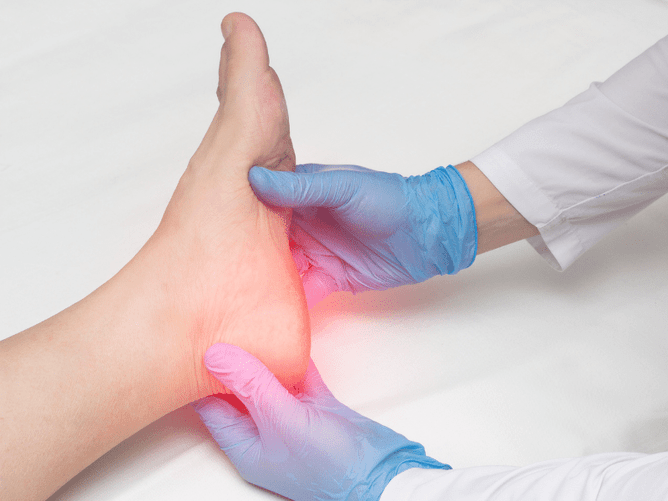
Heel pain is one of the most frequent reasons people seek podiatry care. The heel plays a crucial role in absorbing impact, stabilising the foot, and supporting the entire body during standing, walking, and running. Because of this continuous demand, the heel is highly susceptible to overuse injuries, tendon-related problems, and structural conditions that can become debilitating if left untreated.
At Foot Foundation, our clinicians specialise in diagnosing and treating all forms of heel pain. Using advanced assessment techniques, customised orthotic interventions, rehabilitation programmes, and evidence-based therapies, we focus on relieving pain, restoring functional movement, and preventing recurrence.
Why Heel Pain Occurs
With every step, the heel absorbs significant ground reaction force. When this load exceeds the capacity of the tissues that support the heel or when biomechanics place additional stress on the area pain and inflammation can develop.
Common contributing factors include:
Overuse or sudden increases in activity
Flat feet or high arches altering heel pressure
Tight calf muscles reducing ankle mobility
Prolonged standing on hard surfaces
Unsupportive or worn-out footwear
Rapid growth in children and adolescents
Tendon, ligament, or fat-pad degeneration
Identifying the underlying cause ensures that treatment is both targeted and effective.
Common Causes of Heel Pain
1. Plantar Fasciitis (Plantar Heel Pain)
Plantar fasciitis is the most common cause of heel pain in adults. It occurs when the plantar fascia — a thick band of tissue supporting the arch — becomes irritated or degenerative.
Typical symptoms include:
Sharp pain with the first steps in the morning
Tenderness under the heel
Pain after rest or prolonged standing
Tightness in the arch or calf
Plantar fasciitis often develops gradually and may persist for months without professional intervention.
2. Heel Spurs
Heel spurs are small bony growths that form where the plantar fascia attaches to the heel bone. While they are commonly associated with plantar fasciitis, they are not always the source of pain.
People may experience:
Localised heel tenderness
Pain during walking or exercise
Stiffness through the heel and arch
The presence or size of a spur does not always correlate with symptoms, which is why clinical assessment is essential.
3. Sever’s Disease (Calcaneal Apophysitis)
Sever’s disease is the leading cause of heel pain in active children and adolescents. During growth spurts, the heel bone grows faster than the surrounding muscles and tendons can adapt, leading to inflammation at the growth plate.
Symptoms include:
Pain at the back or sides of the heel
Discomfort during running or jumping
Limping or reduced participation in sport
Tenderness when the heel is squeezed
This condition is self-limiting but requires proper management to reduce pain and prevent long-term stress on the developing foot.
4. Fat Pad Syndrome
The heel’s fat pad is a natural cushioning structure that absorbs shock. Injury, age-related thinning, or repeated impact can reduce its effectiveness.
Patients may describe:
Deep, bruised pain in the centre of the heel
Increased discomfort on hard surfaces
Relief when wearing cushioned shoes
Pain that worsens with prolonged standing
Fat pad syndrome is often misdiagnosed, making expert assessment important.
When to Seek Professional Help
You should book a podiatry assessment if you experience:
Pain that persists longer than 1–2 weeks
Difficulty walking or standing due to heel discomfort
Pain that returns after rest or activity
A child complaining of heel pain during sport
Swelling, redness, or notable tenderness in the heel
Recurring or worsening symptoms
Early diagnosis helps prevent chronic cases and supports a faster return to normal activity.
How Foot Foundation Assesses Heel Pain
Heel pain can have multiple causes, so precise assessment is essential. At Foot Foundation, we use a comprehensive approach to determine the exact source of pain.
Biomechanical and Gait Analysis
We evaluate foot posture, walking mechanics, calf flexibility, ankle mobility, and loading patterns to identify stress points affecting the heel.
Functional Strength and Flexibility Testing
This helps identify muscular imbalances or weaknesses contributing to heel strain.
Footwear Assessment
Your shoes are reviewed for support, cushioning, fit, and wear patterns.
Imaging Referral
For persistent or complex cases, we may refer for ultrasound, X-ray, or MRI to confirm the diagnosis.
Evidence-Based Treatment for Heel Pain at Foot Foundation
Treatment is tailored to both the underlying condition and the individual’s lifestyle. Our approach may include:
Custom Orthotics
Orthotics help redistribute pressure, support the arch, and reduce strain on the plantar fascia and heel structures.
Shockwave Therapy
Highly effective for chronic plantar fasciitis or insertional heel pain, shockwave therapy stimulates tissue healing and reduces persistent discomfort.
Exercise Therapy
Programmes may include:
Calf stretching
Plantar fascia-specific exercises
Strengthening of foot and lower-limb muscles
Load management strategies
These exercises improve tissue resilience and support long-term recovery.
Manual Therapy and Mobilisation
Hands-on techniques improve joint mobility, reduce tension, and support healthier movement patterns.
Footwear Modification
Guidance on appropriate cushioning, support, and heel height ensures optimal comfort and biomechanics.
Referral Pathways for Imaging or Specialist Care
If required, we coordinate with orthopaedic specialists, sports medicine clinicians, or radiology services for injections, further imaging, or surgical opinion.
Treatment is available across all Foot Foundation clinics: Pinehill, Takapuna, Remuera, Botany, Hamilton, and Tauranga.
Preventing Heel Pain
Prevention strategies include:
Wearing supportive, well-fitted footwear
Replacing shoes regularly
Maintaining calf flexibility
Strengthening intrinsic foot muscles
Avoiding sudden increases in training volume
Using orthotics when recommended
Supporting children during growth spurts with appropriate footwear and load management
These strategies help maintain healthy heel mechanics and reduce recurrence.