Achilles Rupture Treatment at Foot Foundation
An Achilles rupture is a serious injury, often described as a sudden “pop” or snap at the back of the leg. It may require urgent surgical referral and structured rehabilitation.
At Foot Foundation, we provide immediate assessment, imaging referral, and tailored rehabilitation after rupture—whether managed surgically or conservatively. Our goal is safe recovery and prevention of re-rupture.
What is an Achilles Rupture?
An Achilles rupture is a partial or complete tear of the Achilles tendon, often occurring during sudden explosive movements such as sprinting, jumping, or pushing off forcefully. Patients frequently describe a “popping” or snapping sensation in the back of the leg, followed by immediate pain and loss of function.
This is a serious injury requiring urgent assessment. Complete ruptures usually require surgery, while partial ruptures may sometimes be managed conservatively. Rehabilitation is essential to restore tendon strength and reduce the risk of re-rupture.
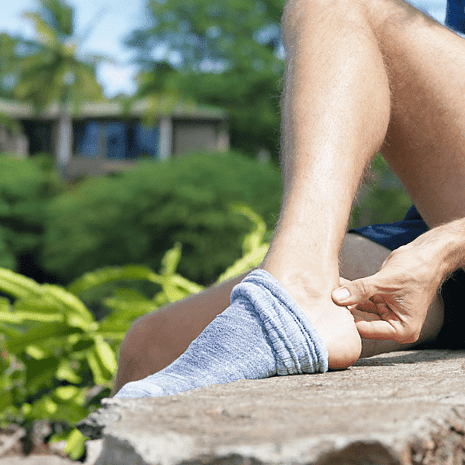
Causes & Risk Factors
Sudden explosive activity (basketball, football, squash, sprinting)
Middle-aged recreational athletes (“weekend warriors”)
Pre-existing Achilles tendinopathy
Poor warm-up or deconditioning
Reduced calf flexibility or strength
Use of fluoroquinolone antibiotics or corticosteroid injections
Systemic conditions such as diabetes or inflammatory arthritis
Previous history of Achilles injury
Treatment at Foot Foundation
Immediate referral for complete ruptures – surgery is often required within the first 1–2 weeks for optimal outcome
Post-operative rehabilitation – strengthening, load management, and gait retraining after surgery
Conservative management for partial ruptures – immobilisation, structured loading, and progressive rehabilitation
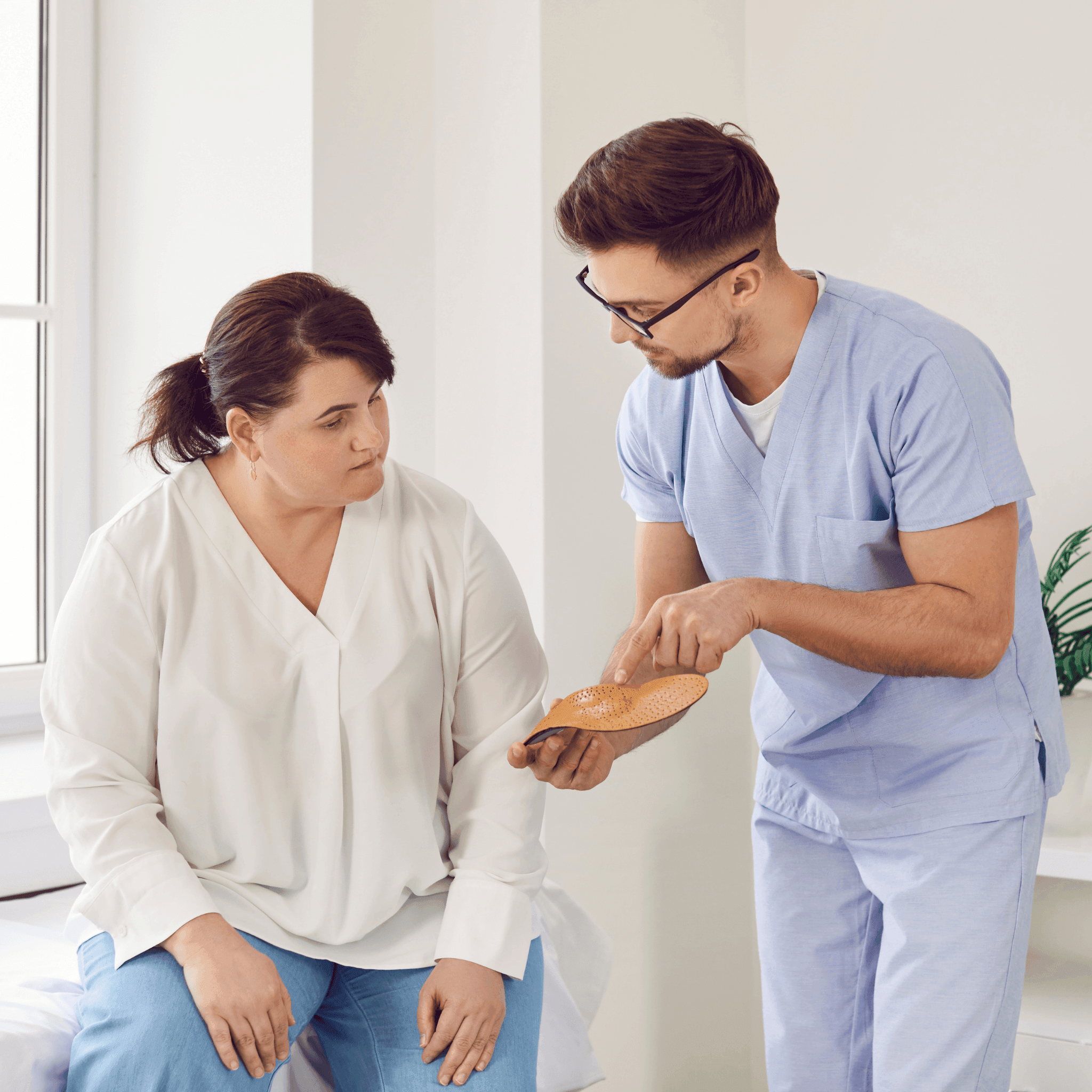
Orthotics and footwear support – heel lifts and supportive shoes to reduce tendon load during healing
Strengthening and conditioning programs – to restore function and reduce risk of recurrence
Symptoms
Sudden “snap” or popping sensation in the calf/heel region
Sharp pain and immediate difficulty walking
Inability to push off on the injured side
Swelling and bruising in the calf or ankle
Palpable gap in the tendon (in complete rupture)
Weakness or loss of plantarflexion strength
Diagnosis
At Foot Foundation, suspected ruptures are assessed with:
Clinical examination – including the Thompson squeeze test (calf squeeze test for plantarflexion response)
Palpation – to identify a tendon gap
Functional testing – push-off strength
Ultrasound or MRI – to confirm partial vs complete tear and guide management
Complete ruptures require urgent referral to orthopaedics. Partial ruptures may be managed conservatively under specialist supervision
Contact us to learn more about Achilles Rupture treatment
If you are dealing with a suspected or confirmed Achilles Rupture, our team can help you find the most suitable Foot Foundation clinic for urgent assessment, diagnosis, and treatment support.
Whether your injury has happened suddenly during sport or activity, or you are already moving through post-injury or post-surgical recovery, we can guide you towards the right clinician and the right next step for your care.
To learn more about Achilles Rupture treatment and find the most suitable clinic for your care, use the links below:

Podiatrist pricing and availability
Pricing for Achilles Rupture assessment and rehabilitation can vary depending on your consultation, the severity of the injury, the imaging or referral pathway required, and whether ongoing podiatry or rehabilitation care is needed after surgical or conservative management.
Your Foot Foundation clinician will assess the injury, identify the most appropriate next step, and explain the recommended management plan based on your symptoms, function, and recovery goals.
To learn more about our podiatrists and current pricing, use the links below:
Achilles Rupture -
Frequently Asked Questions
How do I know if I’ve ruptured my Achilles tendon?
Many patients describe a sudden pop or snapping sensation at the back of the leg, followed by immediate pain, weakness, and difficulty walking. In more severe cases, pushing off the foot becomes very difficult or impossible. A specialist assessment is needed to confirm the diagnosis.
What is the difference between a partial and complete rupture?
A partial rupture means some of the tendon fibres are torn, but some function remains. A complete rupture means the tendon has torn fully, often causing major loss of push-off strength and function. Imaging may be used to confirm the extent of the tear.
Is surgery always required for an Achilles rupture?
Not always. Complete ruptures are often referred urgently for surgical opinion, especially in younger or more active patients. Partial ruptures may sometimes be managed conservatively with immobilisation and structured rehabilitation, depending on the injury and patient needs.
How long does recovery take after an Achilles rupture?
Recovery often takes 6 to 12 months, depending on the severity of the injury and whether treatment is surgical or conservative. Rehabilitation usually progresses through immobilisation, gradual loading, strengthening, and return-to-activity phases.
Can an Achilles rupture heal without surgery?
Yes, some ruptures can heal without surgery, particularly partial ruptures or selected complete ruptures in less active individuals. However, this decision needs careful assessment, and structured rehabilitation is essential either way.
What is the risk of re-rupture?
The risk of re-rupture is highest in the early stages of recovery and during the first year after injury. A well-managed rehabilitation programme and careful progression of load are important for reducing this risk.
When can I return to sport after an Achilles rupture?
Return to sport is often possible at around 9 to 12 months, depending on the injury, the sport, and how well strength and function have recovered. A graded, sport-specific rehabilitation programme is usually needed.
What role do orthotics play in recovery?
Orthotics and heel lifts can help reduce tendon strain, support foot mechanics, and improve comfort during rehabilitation. They are often used as part of a broader recovery plan.
Should I see a podiatrist after Achilles surgery?
Yes. Specialist podiatry and rehabilitation support can play an important role in restoring function, strength, and movement after surgery or conservative management. Ongoing guidance can also help reduce the risk of re-injury.
10,000+
Appointments delivered across our clinics, helping patients improve foot health, mobility, and long-term outcomes.
7 Clinics
Conveniently located across Auckland, Hamilton, and Tauranga, making it easy to access a podiatrist near you.
30+ Treatments
Comprehensive podiatry services including fungal nail care, ingrown toenail treatment, rehabilitation, and general foot care.
Our approach to Achilles Rupture
At Foot Foundation, our approach to Achilles Rupture begins with urgent assessment to determine the severity of the injury, identify whether the rupture is partial or complete, and guide the most appropriate next step for your care.
Where a complete rupture is suspected, we prioritise urgent referral and imaging support to help ensure timely management. For patients moving through either surgical or conservative care, we provide structured rehabilitation focused on restoring tendon strength, improving walking mechanics, rebuilding calf function, and reducing the risk of re-rupture.
Depending on your stage of recovery, treatment may include immobilisation guidance, graded strengthening, load management, gait retraining, heel lifts, orthotic support, and progressive return-to-activity planning. Our goal is to support a safe recovery, restore long-term function, and help you return to daily activity, exercise, and sport with confidence.